

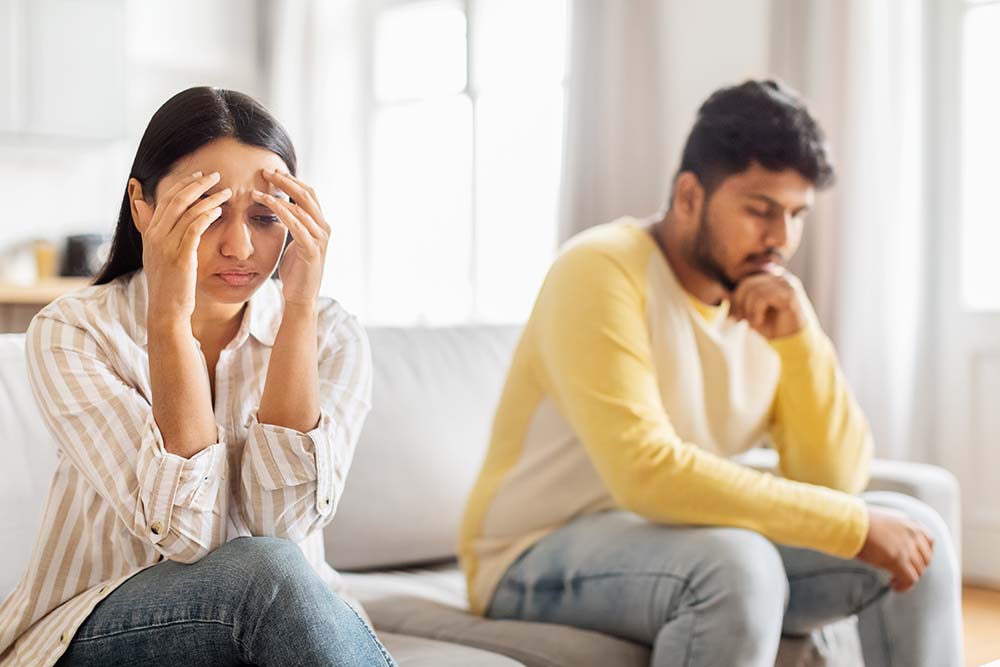




Marriage counseling, also known as couples therapy, is a process where both partners in a relationship work with a trained therapist to address issues, improve communication, and strengthen their bond. It can be helpful at any stage in a relationship—whether you’re dealing with specific problems, navigating transitions, or simply wanting to improve your connection. Here’s an overview of what typically happens during marriage counseling:
1. Initial Assessment
- Meeting with the therapist: In the first session(s), the therapist will get to know both partners and understand the dynamics of the relationship. This could include asking about your relationship history, communication patterns, current issues, and individual perspectives.
- Identifying the issues: The therapist might ask each partner to share what they see as the main problems in the relationship. Common issues include communication breakdowns, trust issues, infidelity, parenting disagreements, or financial stress.
- Setting goals: The therapist will help the couple identify their goals for therapy—what they want to achieve. For example, it could be improving communication, resolving conflict, or reigniting intimacy.
2. Understanding Patterns and Dynamics
- Exploring past experiences: Couples may examine their individual histories (e.g., childhood, previous relationships) and how these experiences may shape their behavior in the current relationship.
- Identifying patterns: The therapist helps the couple identify destructive or unhelpful patterns, such as poor communication, negative cycles of conflict, or avoidance. A goal of therapy is to interrupt these patterns and introduce healthier ways of relating.
- Uncovering underlying emotions: Often, surface-level conflicts mask deeper feelings such as fear, resentment, or insecurity. The therapist helps the couple uncover and address these emotions.
3. Improving Communication Skills
- Learning to listen: Couples often struggle with listening to each other, particularly when emotions are heightened. Therapists teach skills like reflective listening, where each partner takes turns speaking and listening without interrupting or reacting defensively.
- Expressing needs and emotions: Many couples find it difficult to express what they truly need or feel. Therapists guide partners in articulating their feelings in a constructive and non-accusatory way.
- Conflict resolution: Learning how to argue constructively is often a major focus. The therapist helps couples develop strategies for resolving disagreements without escalating the conflict. This might involve taking breaks during heated moments, using “I” statements instead of “You” statements, and focusing on solutions rather than blame.
4. Addressing Specific Issues
- Infidelity: If one or both partners have been unfaithful, therapy can help navigate the difficult process of rebuilding trust, understanding why the infidelity occurred, and deciding whether the relationship can be salvaged.
- Intimacy and connection: For some couples, therapy focuses on re-establishing emotional and physical intimacy. This could include discussing desires, creating closeness, or working through past trauma that may affect intimacy.
- Parenting or financial disagreements: For couples dealing with specific issues like parenting or financial stress, therapy provides a space to discuss strategies for compromise and better cooperation.
5. Developing Coping Strategies and Tools
- New coping mechanisms: The therapist may suggest coping strategies for stress, anxiety, or emotional triggers that affect the relationship. This could involve individual therapy for one partner if needed or exercises that both partners can practice together.
- Creating a plan for change: Therapists often encourage couples to create a plan or action steps to improve their relationship after therapy. This might involve setting specific goals for communication, spending quality time together, or working on personal growth.
6. Ongoing Support and Evaluation
- Regular sessions: Marriage counseling is typically done in a series of sessions. Couples may attend weekly or bi-weekly sessions, depending on their needs. Over time, couples may begin to feel more confident in handling conflicts on their own.
- Feedback and progress checks: The therapist will regularly check in to assess progress, make adjustments to the therapeutic approach, and ensure that both partners are committed to the process.
7. Ending Therapy or Transitioning to Independent Work
- Gradual closure: Once significant progress has been made, the therapist may suggest reducing the frequency of sessions or transitioning to “maintenance” therapy, where the couple checks in periodically to keep the relationship on track.
- If therapy is unsuccessful: In some cases, despite the best efforts, therapy may not be able to resolve fundamental issues, or one partner may decide they no longer want to continue the relationship. In these cases, the therapist might help the couple work through separation or divorce in a healthy, respectful manner.
Marriage counseling is a space for both partners to feel heard, respected, and supported in improving their relationship. The process can be challenging, but it can also be incredibly rewarding for couples willing to put in the effort.
What is the difference between couples counseling and marriage therapy?
Couples counseling and marriage therapy are terms that are often used interchangeably, but they can have subtle differences depending on context. Both involve working with a therapist to improve relationship dynamics, but the focus, goals, and sometimes the approach can vary slightly.
1. Couples Counseling
- Scope: Couples counseling tends to be a broader term and can be used for any kind of romantic relationship, not just marriage. It can apply to dating couples, long-term partners, or even people who are engaged but not yet married.
- Focus: It often addresses specific issues, such as communication problems, trust issues, conflict resolution, or intimacy concerns. It may be short-term and solution-focused, aiming to resolve specific problems the couple is facing.
- Goals: The goal might be to improve communication, enhance understanding, resolve conflicts, or address immediate relational concerns.
- Approach: It can be less intensive than marriage therapy, focusing more on skill-building and addressing current issues.
2. Marriage Therapy
- Scope: Marriage therapy typically refers to counseling specifically for married couples, or for couples who are contemplating marriage. It is often a more specialized form of therapy that deals with issues that arise within the context of marriage.
- Focus: The focus is usually on deeper relational dynamics that might be affecting the marriage, such as long-term patterns of behavior, trust issues, infidelity, or unresolved emotional wounds. It may also involve working through life transitions like parenting, aging, or financial strain that impact the marriage.
- Goals: The goal of marriage therapy is often to help couples strengthen their emotional bond, navigate difficult life changes together, and find ways to reconnect. In some cases, it might aim to repair the relationship or help a couple decide if they should stay together or part ways.
- Approach: Marriage therapy can be more in-depth and long-term than couples counseling. It may include exploring deeper issues from both partners’ pasts and how those affect the marriage. It’s often more comprehensive, including discussions of intimacy, shared goals, and long-term plans.
Key Differences
- Terminology: “Couples counseling” is a broader, more general term, while “marriage therapy” is specific to married couples or those in long-term relationships.
- Focus: Couples counseling is often about immediate concerns or conflicts, whereas marriage therapy may involve deeper exploration of long-term relationship dynamics.
- Intensity and Duration: Marriage therapy can sometimes be more intensive and long-term than couples counseling, depending on the issues involved.
In practice, therapists might use the terms interchangeably, but if you’re seeking help, it’s important to clarify with the therapist whether their approach is aimed at addressing specific problems (couples counseling) or exploring deeper relational dynamics within a marriage (marriage therapy).
How long are most couples in marriage counseling?
The length of time couples spend in marriage counseling can vary widely depending on the issues they’re facing, their goals, and how much effort they’re both willing to put into the process. While there’s no one-size-fits-all answer, here are some general guidelines based on different factors:
1. Short-Term Counseling (6–12 Sessions)
- Typical for:
- Couples facing specific, manageable issues (like communication problems, mild conflict, or short-term stressors).
- Couples who are highly motivated and ready to make changes relatively quickly.
- Couples who want to address specific goals, such as improving communication, learning conflict resolution skills, or rebuilding trust after a single instance of infidelity.
- Why it works: These issues can often be resolved through focused, structured therapy. Many couples find that they can get back on track in a few months with the right tools and strategies.
- Frequency: Sessions might be weekly or bi-weekly at first, tapering off to monthly sessions as progress is made.
2. Medium-Term Counseling (3–6 Months)
- Typical for:
- Couples dealing with deeper emotional issues, ongoing conflict, or unresolved resentments.
- Couples who want to strengthen their relationship more generally, not just solve a single problem.
- Those who have multiple layers of issues to address (e.g., poor communication, parenting conflicts, infidelity, etc.).
- Why it works: Deeper issues often take more time to work through, especially if there are underlying emotional wounds, trust issues, or ingrained negative patterns in the relationship. Couples in this category typically need more time to process their feelings, develop healthier behaviors, and rebuild their emotional connection.
- Frequency: Weekly sessions at first, potentially moving to bi-weekly sessions as the couple progresses.
3. Long-Term Counseling (6 Months to a Year or More)
- Typical for:
- Couples dealing with severe or long-standing issues, such as chronic infidelity, addiction, unresolved trauma, or deep emotional wounds.
- Couples going through major life transitions, such as a serious illness, a loss, or blending families after remarriage.
- Couples who want to work on improving their overall relationship dynamics and may not have a specific issue to address, but instead want to build a stronger, more fulfilling partnership.
- Why it works: In cases of significant trauma, addiction, or years of poor communication, rebuilding the relationship and changing entrenched patterns can take more time. Therapy in these situations is often about deeper emotional healing and the development of new relationship skills.
- Frequency: Weekly sessions or bi-weekly sessions. The length of therapy will depend on how deep the issues are and how committed both partners are to the process.
Factors That Impact the Duration of Marriage Counseling
- The Nature and Severity of the Issues
- If the issues are more complex (e.g., infidelity, addiction, trauma) or have been long-standing, it’s likely to take longer to work through them.
- Couples with smaller or more isolated problems (like communication difficulties or a specific conflict) might resolve things more quickly.
- The Willingness of Both Partners
- Commitment: If both partners are motivated and open to making changes, counseling may be more effective and could take less time.
- Resistance or Reluctance: If one or both partners are not fully engaged in the process or resistant to change, therapy could take longer as the couple works through those barriers.
- Therapist Approach
- Some therapists use short-term, solution-focused therapy, which tends to be quicker and more focused on resolving specific issues in a set period. Others may use longer-term approaches that involve more in-depth exploration of underlying emotional dynamics and patterns.
- A good therapist will adapt the process to the needs of the couple and may adjust the length of therapy accordingly.
- Progress and Results
- Positive change: As couples begin to see progress and feel more connected, they may choose to taper off sessions or end therapy early.
- Ongoing issues: If a couple continues to struggle with the same issues despite progress, therapy may continue for a longer period. Some couples might even return for “check-ins” after a period of time to maintain healthy habits.
- External Circumstances
- Life events, such as a move, a job change, the birth of a child, or financial stress, can sometimes alter the timeline. For example, stress from external factors can impact how well the couple is able to engage in therapy.
Types of Counseling Models and Time Frames
- Emotionally Focused Therapy (EFT): This approach is typically short-term (about 8-20 sessions), focusing on strengthening the emotional bond between partners. EFT is often used for couples dealing with attachment issues or emotional disconnection.
- The Gottman Method: This is a more structured approach that focuses on building healthy relationship habits and improving communication. Therapy using this method can take anywhere from a few months to a year depending on the couple’s issues.
- Cognitive Behavioral Therapy (CBT) for Couples: Typically, CBT can be short-term to medium-term, as it focuses on identifying and changing negative thought and behavior patterns that affect the relationship. Treatment may range from 8–20 sessions.
- Imago Relationship Therapy: A couples approach that helps partners understand how their early childhood experiences shape the way they relate to each other as adults.
Through structured, empathetic dialogue, it turns conflict into an opportunity for healing, connection, and emotional growth.
What Happens After Therapy Ends?
Some couples choose to end therapy when they feel they have gained the tools and insights they need, but maintenance is key. Many couples find it helpful to schedule periodic check-ins (e.g., every few months) after the initial therapy sessions have concluded. This helps keep the relationship on track and allows the couple to address any emerging issues before they become bigger problems.
The duration of marriage counseling varies depending on the specific needs of the couple and the issues they are addressing. While some couples might see significant improvement in a matter of months, others may need ongoing therapy for a year or more, especially when dealing with complex or deep-rooted issues. Regardless of the timeline, the goal of therapy is to equip both partners with the skills they need to maintain a healthy, fulfilling relationship.
What percentage of marriages survive after counseling?
The success rate of marriage counseling is difficult to pin down with absolute precision because it depends on many factors, including the type of issues the couple is facing, the level of commitment from both partners, the skill of the therapist, and how early or late in the relationship counseling is sought. However, studies and expert reports can offer some general insight into the effectiveness of marriage counseling.
Estimated Success Rates
- Overall success rates vary widely, but research suggests that between 60% and 75% of couples report improvements in their relationship after attending marriage counseling. This means that most couples who seek therapy experience some positive change, whether it’s improving communication, resolving specific issues, or deepening emotional intimacy.
- Research from the American Association of Marriage and Family Therapy (AAMFT) indicates that about 70-75% of couples who go through marriage therapy report improved satisfaction in their relationship, with many experiencing better communication and conflict resolution.
- A 2014 meta-analysis of over 30 studies found that around 70% of couples who undergo therapy experience improvement in relationship satisfaction or functioning.
Factors Influencing Success Rates
While the general success rate is fairly positive, there are several factors that can influence whether marriage counseling will be successful for a specific couple:
- Commitment Level: Both partners need to be willing to engage in the process and be open to change. If one person is not committed to the counseling process, or if one partner is reluctant or resistant, success is less likely.
- Nature of the Issues: Couples dealing with relatively manageable issues (communication problems, mild emotional distance, parenting disagreements) are more likely to benefit from therapy than those facing severe problems (long-term infidelity, addiction, emotional or physical abuse).
- Timing: Couples who seek counseling early, before issues have become deeply entrenched or when they are still relatively motivated to work things out, tend to see better results. In contrast, couples who seek therapy after years of unresolved conflict may find it harder to repair the relationship.
- Therapist Expertise: The skill and approach of the therapist play a significant role in the success of marriage counseling. Therapists who use evidence-based approaches and who can provide a safe, non-judgmental space for both partners are more likely to see positive outcomes.
- Willingness to Change: Even if both partners are committed to the process, lasting change requires a willingness to confront uncomfortable truths, address difficult emotions, and adopt new behaviors. Couples who are open to self-improvement and are motivated to make changes in their relationship often have better outcomes.
- Type of Therapy: Certain therapeutic approaches, such as Imago Relationship Therapy, Emotionally Focused Therapy (EFT), Cognitive Behavioral Therapy (CBT) for couples, or The Gottman Method, have been found to be particularly effective in improving relationship satisfaction. The choice of approach can influence the success rate.
Outcomes Beyond “Staying Together”
It’s also important to note that the definition of success in marriage counseling isn’t always about staying together. Some couples may discover through therapy that their issues are irreconcilable, and part of the therapy’s benefit may be helping them navigate separation or divorce in a respectful and healthy way.
For others, success might mean improving their communication, resolving specific conflicts, or deepening emotional intimacy—even if the marriage doesn’t continue in the same form as before. This could include shifting to a more amicable co-parenting relationship or simply finding a better way to communicate and function as individuals.
What Does “Success” Look Like?
- Improved Communication: Couples often report that they leave counseling with a better understanding of how to communicate effectively—especially in emotionally charged situations.
- Reduction in Conflict: For couples struggling with constant fighting, therapy often helps them reduce the intensity and frequency of conflicts and equips them with healthier ways to resolve disputes.
- Restored Trust and Intimacy: In cases of betrayal or emotional distance, counseling can help rebuild trust and intimacy, even if the marriage is changed in the process.
- Clearer Expectations: Counseling often helps couples understand each other’s needs and expectations, leading to more mutual respect and fulfillment.
While the success rate of marriage counseling can vary, research suggests that a majority of couples (around 60% to 75%) report positive outcomes, including improved communication, conflict resolution, and overall satisfaction. The effectiveness of counseling is highest when both partners are committed to the process and when counseling is sought earlier, rather than after years of unresolved conflict.
For couples who are open to the process and willing to put in the work, therapy can often be a turning point toward healing and rebuilding a more fulfilling relationship.
Schedule an appointment
I offer a free 20-minute phone consultation so that you can decide if you are comfortable with my therapeutic approach. Contact me with any questions or to schedule an appointment.