

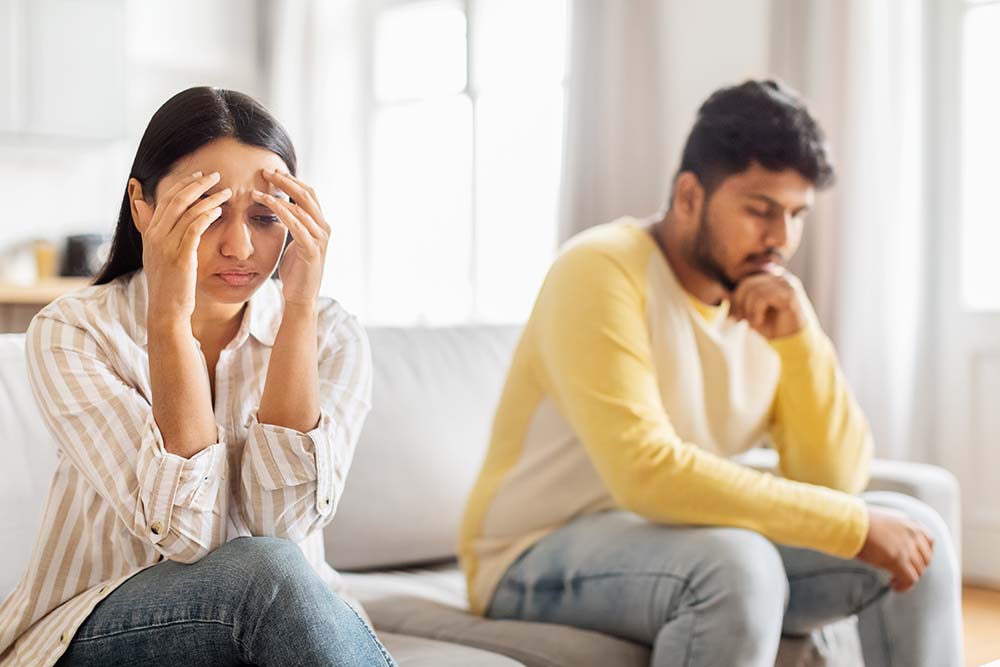




Yes, marriage counseling can help many couples—but, like any form of therapy, its effectiveness depends on various factors, including the commitment of both partners, the nature of the issues they’re facing, and the skills of the therapist. Research has shown that, for many couples, counseling can lead to significant improvements in relationship satisfaction, communication, and conflict resolution. However, there are a few key elements to consider when thinking about whether counseling will help your marriage.
Why Marriage Counseling Can Be Effective
- Improves Communication
One of the most common reasons couples seek therapy is communication problems. Therapy helps couples learn how to listen more attentively, express themselves more clearly, and reduce misunderstandings. By teaching active listening, conflict resolution skills, and ways to express emotions constructively, counseling can break negative communication patterns that often escalate conflict. - Addresses Underlying Issues
Often, surface-level problems in a relationship (like arguing about chores, finances, or parenting) are symptoms of deeper emotional issues or unmet needs. A counselor can help uncover these deeper dynamics and give couples tools to address them. For example, an issue that looks like “spending too much time at work” might be tied to one partner’s need for emotional connection or fear of intimacy. - Helps Resolve Conflict Constructively
Many couples argue in circles, getting stuck in unproductive patterns where they argue about the same issues without resolution. Therapy helps couples learn strategies for resolving conflict—such as focusing on finding solutions, avoiding blame, and recognizing each other’s perspectives—rather than winning arguments. - Rebuilds Trust and Intimacy
If trust has been broken (due to infidelity, dishonesty, or other betrayals), counseling can help rebuild that trust. While rebuilding trust is a long-term process, therapy provides a structured, neutral environment for both partners to express their feelings, ask for forgiveness, and set boundaries. This process is critical for couples who want to heal after betrayal or loss of trust. - Provides a Neutral, Safe Space
Sometimes, couples are unable to communicate effectively because of power imbalances, past hurts, or emotional reactivity. A therapist provides an impartial, safe environment where both partners can speak honestly without fear of judgment, defensiveness, or retaliation. This neutral ground can help couples hear each other more clearly and work toward solutions. - Helps Couples Set and Achieve Relationship Goals
Therapy helps couples identify what they want from their relationship and then develop a plan to work toward those goals—whether it’s improving emotional intimacy, resolving specific conflicts, or creating a more balanced partnership. Setting clear goals and having an expert to guide the process can provide couples with a sense of direction and purpose.
When Marriage Counseling Might Not Help
While many couples benefit from therapy, there are circumstances where marriage counseling may not be effective, or where its effectiveness is limited:
- Lack of Commitment from One or Both Partners
If one partner is not fully committed to the process or doesn’t believe in the value of counseling, it can be hard to make progress. Marriage counseling requires both people to be open to change and willing to put in the work. If one person is “just there” because they’re being pressured, therapy is unlikely to be successful. - Unwillingness to Change
Sometimes, couples know what the issues are and what they need to do to improve, but they’re not willing to change their behaviors or mindset. Therapy can only do so much if both partners aren’t open to modifying negative patterns, addressing unresolved personal issues, or making sacrifices for the relationship. - Severe or Irreparable Problems
In cases where there are severe issues like long-term infidelity, chronic abuse (emotional, physical, or verbal), or deep incompatibility that hasn’t been addressed for years, marriage counseling may not be enough. While counseling can help provide closure and clarity, it can’t “fix” issues that are fundamentally incompatible or abusive. Therapy in these cases might focus more on helping individuals make healthy decisions, like separating or divorcing, rather than staying together. - Timing Matters
Counseling is more effective when couples seek help early, before issues have become entrenched or when resentment and disconnection have grown too wide. Couples who come to counseling in the midst of an emotional crisis (e.g., after an affair) may need more time to heal and may not experience immediate improvements. Conversely, couples who attend therapy early, when issues are still manageable, tend to see quicker and more lasting progress. - The Right Therapist Is Key
A skilled and empathetic therapist can make a huge difference in the success of counseling. Not every therapist is a perfect fit for every couple, and it may take time to find a therapist with whom both partners feel comfortable. A therapist who is unqualified, biased, or doesn’t employ evidence-based practices can hinder progress. In some cases, a different type of therapy (like individual counseling, or specialized therapy for trauma or addiction) may be more appropriate.
What Success Looks Like
Success in marriage counseling doesn’t always mean that both partners will stay together forever. Sometimes, the work done in therapy leads to the realization that the relationship is no longer fulfilling, or that separation is the healthiest option. In this case, counseling can still be valuable, as it helps the couple navigate the breakup respectfully and with clarity.
However, if both partners are committed to improving their relationship, marriage counseling can help them:
- Communicate more openly and empathetically.
- Better understand each other’s needs and feelings.
- Develop healthier patterns of conflict resolution.
- Rebuild trust and emotional intimacy.
- Strengthen the foundation of their relationship.
In Summary
Marriage counseling can be highly effective for many couples, especially when both partners are committed to the process and open to change. It can provide new tools for resolving conflicts, improving communication, and rebuilding trust. However, its success depends on a variety of factors, including the nature of the issues, the willingness of both partners, and the skill of the therapist. For couples who are struggling but still want to improve their relationship, marriage counseling is a worthwhile investment.
Schedule an appointment
I offer a free 20-minute phone consultation so that you can decide if you are comfortable with my therapeutic approach. Contact me with any questions or to schedule an appointment.