

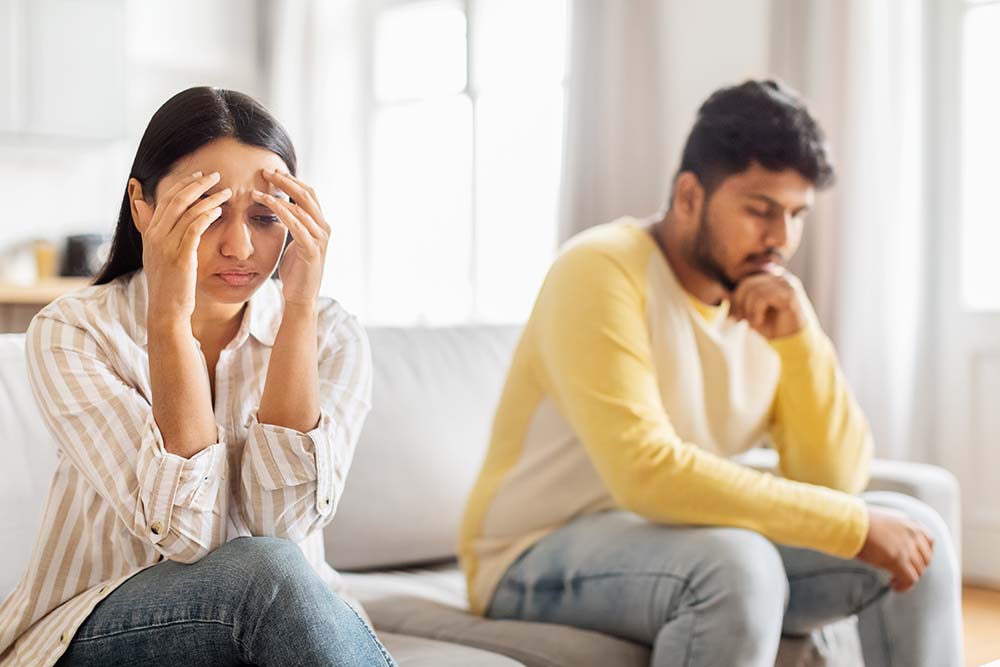




Marriage counseling offers numerous benefits for couples who are looking to strengthen their relationship, resolve conflicts, or navigate difficult challenges. Whether the couple is facing communication issues, emotional disconnect, or more serious problems like infidelity or a lack of intimacy, marriage counseling can be a valuable tool for healing and growth. Here are some of the key benefits of marriage counseling:
1. Improved Communication
- Benefit: One of the most common reasons couples seek therapy is to improve communication. Marriage counseling helps partners develop healthier ways of talking to each other, listening, and expressing their needs, feelings, and concerns in a more productive way.
- How it helps: Therapists teach couples how to use active listening skills, speak without judgment, and avoid negative patterns like stonewalling or interrupting. Learning how to communicate more effectively can reduce misunderstandings, prevent arguments, and create a deeper emotional connection.
2. Conflict Resolution Skills
- Benefit: Every couple will face disagreements or conflicts at some point, but how those conflicts are handled can make or break the relationship. Marriage counseling teaches couples how to navigate disagreements in a respectful, solution-focused way.
- How it helps: Couples learn techniques for de-escalating arguments, finding common ground, and resolving conflicts constructively. Therapists can help couples explore the root causes of their conflicts and develop strategies for compromise and collaboration.
3. Rebuilding Trust
- Benefit: Trust is foundational to any relationship, but it can be damaged or broken due to issues like infidelity, dishonesty, or emotional betrayal. Marriage counseling offers a structured environment to rebuild that trust.
- How it helps: Through counseling, couples can work on understanding the underlying reasons for trust issues, rebuilding emotional security, and creating healthier patterns of behavior. Trust-building exercises and open communication are key components of the therapeutic process.
4. Emotional Healing and Support
- Benefit: Sometimes, unresolved emotional wounds—whether from past trauma, neglect, or loss—can interfere with the quality of the relationship. Therapy provides a safe space for partners to process and heal those emotions.
- How it helps: A therapist can guide couples through difficult feelings, helping them work through past hurts and emotional baggage. This healing can bring partners closer together, create empathy, and foster emotional intimacy.
5. Restoring Intimacy and Connection
- Benefit: Over time, couples may experience a decline in physical or emotional intimacy, which can lead to feelings of distance or disconnection. Marriage counseling helps couples reignite the intimacy and closeness that might have faded over time.
- How it helps: Therapists can help couples explore the barriers to intimacy, whether they be emotional, physical, or psychological. Couples learn how to reconnect emotionally and rebuild their bond, which can improve both their physical and emotional intimacy.
6. Identifying Negative Patterns and Habits
- Benefit: Long-term relationships often develop negative patterns—like constant criticism, defensiveness, or avoidance—that can erode the relationship over time. Marriage counseling helps couples identify and break these harmful cycles.
- How it helps: Through techniques like Cognitive Behavioral Therapy (CBT) or Emotionally Focused Therapy (EFT), couples can recognize the patterns that keep them stuck in conflict or emotional distance. Once these patterns are identified, therapists work with couples to replace them with healthier, more supportive behaviors.
7. Strengthening Emotional Support
- Benefit: Counseling can strengthen the emotional foundation of a marriage by encouraging partners to be more supportive, empathetic, and understanding of each other’s needs.
- How it helps: By improving communication and learning to validate each other’s feelings, couples can become better emotional partners. Marriage counseling helps each person feel heard, valued, and supported, which can deepen the emotional bond.
8. Better Understanding of Each Other
- Benefit: Couples often enter therapy with misunderstandings about each other’s perspectives, needs, or values. Marriage counseling helps partners gain a deeper understanding of each other, which can foster empathy and connection.
- How it helps: A therapist can help both partners express themselves more clearly and listen more attentively, which helps each person understand the other’s point of view. This mutual understanding can reduce conflict and create a stronger emotional connection.
9. Addressing Specific Issues (e.g., Infidelity, Parenting, Finances)
- Benefit: Marriage counseling provides a space to address specific issues that might be straining the relationship, such as infidelity, disagreements over parenting, or financial stress.
- How it helps: Counselors are trained to help couples address sensitive issues with respect and guidance. For example, in the case of infidelity, the therapist can facilitate difficult conversations, help process emotions, and guide the couple through steps to rebuild trust. In the case of parenting disagreements, a therapist can help parents develop a more unified approach.
10. Prevention of Divorce
- Benefit: One of the most significant benefits of marriage counseling is the potential to prevent divorce. Counseling gives couples the tools to address issues before they escalate beyond repair.
- How it helps: By improving communication, fostering mutual respect, and resolving conflicts constructively, counseling can strengthen the relationship and reduce the risk of separation. Couples learn how to work through challenges rather than avoid them, which can lead to greater marital satisfaction and longevity.
11. Increased Relationship Satisfaction
- Benefit: Couples who engage in therapy often report greater overall satisfaction in their relationship. Marriage counseling helps couples feel more connected, more understood, and more appreciated, which boosts overall happiness and fulfillment.
- How it helps: As couples address and resolve their issues, they experience less tension, more joy, and greater emotional closeness. Therapy also teaches couples how to better meet each other’s needs, creating a more fulfilling partnership.
12. Help With Life Transitions
- Benefit: Major life changes, such as the birth of a child, relocation, job changes, or caring for aging parents, can create stress and strain on a marriage. Marriage counseling helps couples navigate these transitions and the stress they bring.
- How it helps: Counseling provides a safe space to discuss fears, frustrations, and needs during times of change. A therapist can guide couples in adapting to new roles, responsibilities, and challenges, while maintaining a strong relationship.
13. Improved Problem-Solving Skills
- Benefit: Couples often struggle to solve problems effectively, especially when they are emotional or deeply entrenched. Marriage counseling helps couples learn how to solve problems together in a calm, collaborative manner.
- How it helps: Therapists teach couples how to break down complex issues, prioritize solutions, and collaborate on finding resolutions that work for both partners. This can improve the couple’s ability to face future challenges with confidence.
14. Strengthened Coping Skills
- Benefit: Life can be challenging, and couples often face external stressors like work issues, financial problems, or health concerns. Marriage counseling helps couples build stronger coping skills to handle both individual and relational stress.
- How it helps: Couples learn healthy coping mechanisms and how to support each other in times of stress. By addressing emotional triggers and developing better emotional regulation, they can handle difficult situations more effectively together.
15. Restoring a Sense of Partnership
- Benefit: Over time, couples may drift apart or begin to feel more like roommates than romantic partners. Marriage counseling helps restore the sense of partnership and mutual support that is essential for a thriving relationship.
- How it helps: Therapy provides the space to reconnect, rediscover shared goals, and rebuild a sense of teamwork. Couples often leave therapy feeling more unified and invested in each other’s well-being.
The benefits of marriage counseling are numerous and varied, addressing everything from improving communication to helping couples navigate life transitions or rebuild trust after a breach. Even couples without major issues can benefit from therapy by strengthening their bond, learning new tools for conflict resolution, and enhancing their overall relationship satisfaction. Marriage counseling provides a structured, safe environment for couples to work on their relationship with the guidance of a professional, fostering deeper intimacy, understanding, and emotional connection. For many, it’s a powerful tool for both healing and growth.
Schedule an appointment
I offer a free 20-minute phone consultation so that you can decide if you are comfortable with my therapeutic approach. Contact me with any questions or to schedule an appointment.